


The release, which took place on October 15, 2023, is seen as a gesture of goodwill from Thailand, aimed at fostering better relations with Cambodia. The Cambodian government has expressed gratitude for the soldiers’ return, highlighting the importance of cooperation and dialogue in resolving such issues. This incident has drawn attention to the broader context of Thai-Cambodian relations, which have been marked by both cooperation and conflict over the years.
This decision may pave the way for improved diplomatic ties and future negotiations on border management, similar to how Thailand accused Cambodia of breaking a newly signed ceasefire deal.
As both nations navigate this complex relationship, the release of the soldiers serves as a reminder of the delicate balance required in international diplomacy. The event underscores the need for ongoing communication and efforts to address underlying tensions that could affect bilateral relations in the future.
Background of the soldiers’ detention and regional tensions
The detention of the 18 Cambodian soldiers by Thailand has its roots in a complex interplay of historical, political, and territorial disputes between the two nations. The tensions date back to the colonial era when borders were drawn without regard for ethnic and cultural affiliations, leading to ongoing disputes over territory and national identity. These historical grievances have often flared up, particularly in areas where the borders are contested.
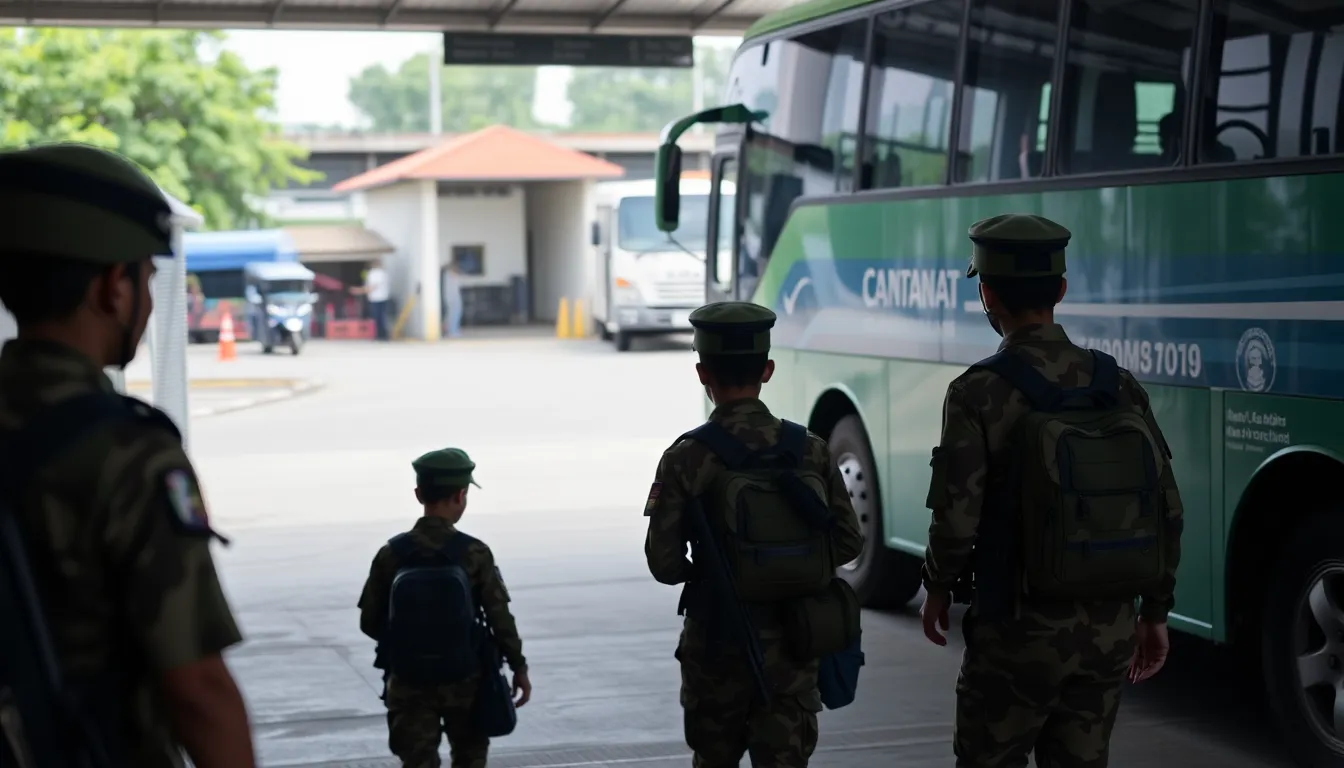
In July 2023, the soldiers were apprehended by Thai authorities near the border, which has been a flashpoint for illegal crossings and smuggling activities. The situation escalated as both nations accused each other of failing to control their respective borders, further straining diplomatic relations. The soldiers were reportedly involved in a mission aimed at combating illegal logging and trafficking, which has been a persistent issue in the region.
Political Implications and Diplomatic Relations
The release of the soldiers is seen as a diplomatic gesture by Thailand, which could enhance its image akin to previous efforts outlined in related discussions about Thailand and Cambodia’s ceasefire agreements.
Economic factors also play a critical role in this context. Both nations rely heavily on cross-border trade, and prolonged tensions could disrupt economic activities that benefit both countries. The release of the soldiers could pave the way for renewed economic discussions and collaborations, particularly in areas such as trade and tourism, which are vital for both economies.
Overall, the release of the Cambodian soldiers marks a significant moment in the ongoing dialogue between Thailand and Cambodia, reflecting broader themes of territorial integrity, national pride, and the challenges of managing shared borders in a historically complex region.
Key stakeholders and implications of the release
The release has significant implications for various stakeholders involved, much like the impacts felt during instances of border disputes, as discussed in the article on Thailand’s ceasefire dispute with Cambodia.
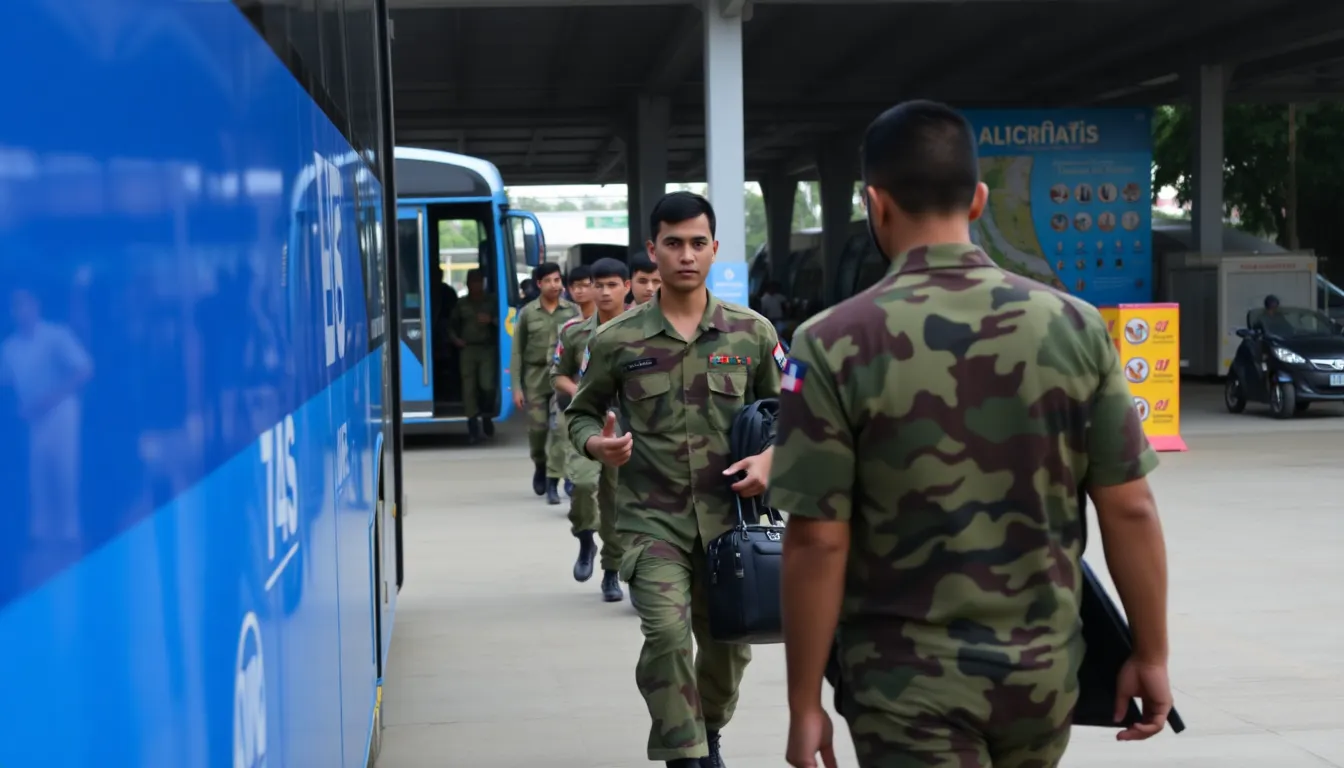
For the Thai government, the release may be seen as a gesture of goodwill aimed at strengthening diplomatic relations with Cambodia. By resolving this issue amicably, Thailand could enhance its image as a regional leader committed to peace and cooperation. Conversely, there are concerns about internal political implications, as nationalistic sentiments may arise regarding the treatment of foreign soldiers.
The Cambodian government, on the other hand, has a vested interest in securing the safe return of its soldiers, which could bolster national pride and support for the ruling party. This incident also highlights ongoing tensions along the border, which could lead to further diplomatic negotiations or conflicts if not managed properly.
- Diplomatic Relations: The release could pave the way for improved bilateral relations between Thailand and Cambodia.
- Border Security: The incident raises questions about border security and the need for clearer demarcation to prevent future conflicts.
- Public Sentiment: National pride and public opinion in both countries may influence future government actions regarding military and diplomatic strategies.
- International Observers: Organizations and foreign governments monitoring the situation may have their own interests in regional stability and human rights.
Legal issues surrounding the detention of the soldiers, including the reasons for their arrest and the laws governing military conduct across borders, remain critical points of discussion. The resolution of this situation may set precedents for how similar cases are handled in the future, impacting military protocol and international law in the region.
Impact on Thailand-Cambodia relations and regional stability
The release of 18 Cambodian soldiers held by Thailand since July marks a significant development in the bilateral relations between the two countries. This event primarily affects military personnel and their families, as well as the broader communities in both nations that have been on edge due to heightened tensions. The soldiers’ return could foster a sense of relief and stability among their families and the Cambodian public, while also impacting Thai military and diplomatic circles.
In the short term, the release is likely to ease diplomatic strains and could lead to improved cooperation in various sectors, including trade and tourism. Both countries share a border that is vital for economic activities, and a thaw in relations may encourage cross-border investments and joint ventures. This could benefit industries such as agriculture, textiles, and tourism, which are crucial to both economies.
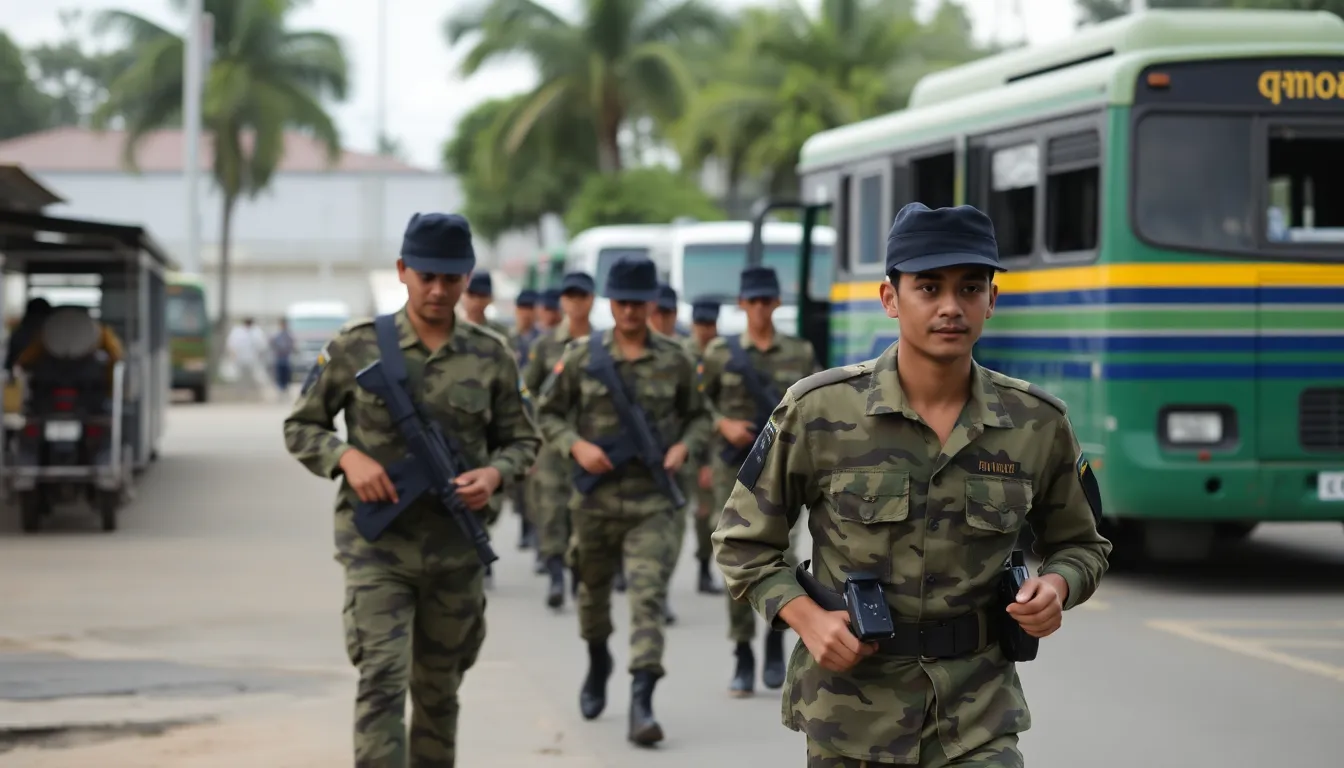
In the mid-term, there are potential opportunities for policy reforms aimed at enhancing bilateral trade agreements and security collaborations. However, there are risks associated with public sentiment in Cambodia, where national pride could be affected if the government is perceived as conceding too much to Thailand. This could lead to political unrest or calls for stronger national defense policies, impacting local governance and regional stability.
- Military and Diplomatic Relations: Improved ties may lead to joint military exercises and collaborative security initiatives.
- Economic Opportunities: Increased trade and investment prospects in agriculture and tourism sectors.
- Public Sentiment: Potential for political unrest in Cambodia if perceived concessions are made.
- Bilateral Policies: Possible reforms in trade agreements and border management practices.
Ultimately, while the release of the soldiers is a positive step towards reconciliation, both nations must navigate the complexities of public opinion and economic expectations to fully realize the benefits of improved relations.
A: The Cambodian soldiers were detained by Thai authorities in July, reportedly for crossing the border illegally during a military operation. A: The release is seen as a positive step towards improving diplomatic relations between Thailand and Cambodia, which have experienced tensions in the past. A: The release of the soldiers may help ease tensions in border communities and foster better cooperation between local authorities. A: Yes, this release is part of broader discussions aimed at resolving various bilateral issues and enhancing cooperation. A: The released soldiers are expected to return to Cambodia, where they will likely be welcomed by their families and government.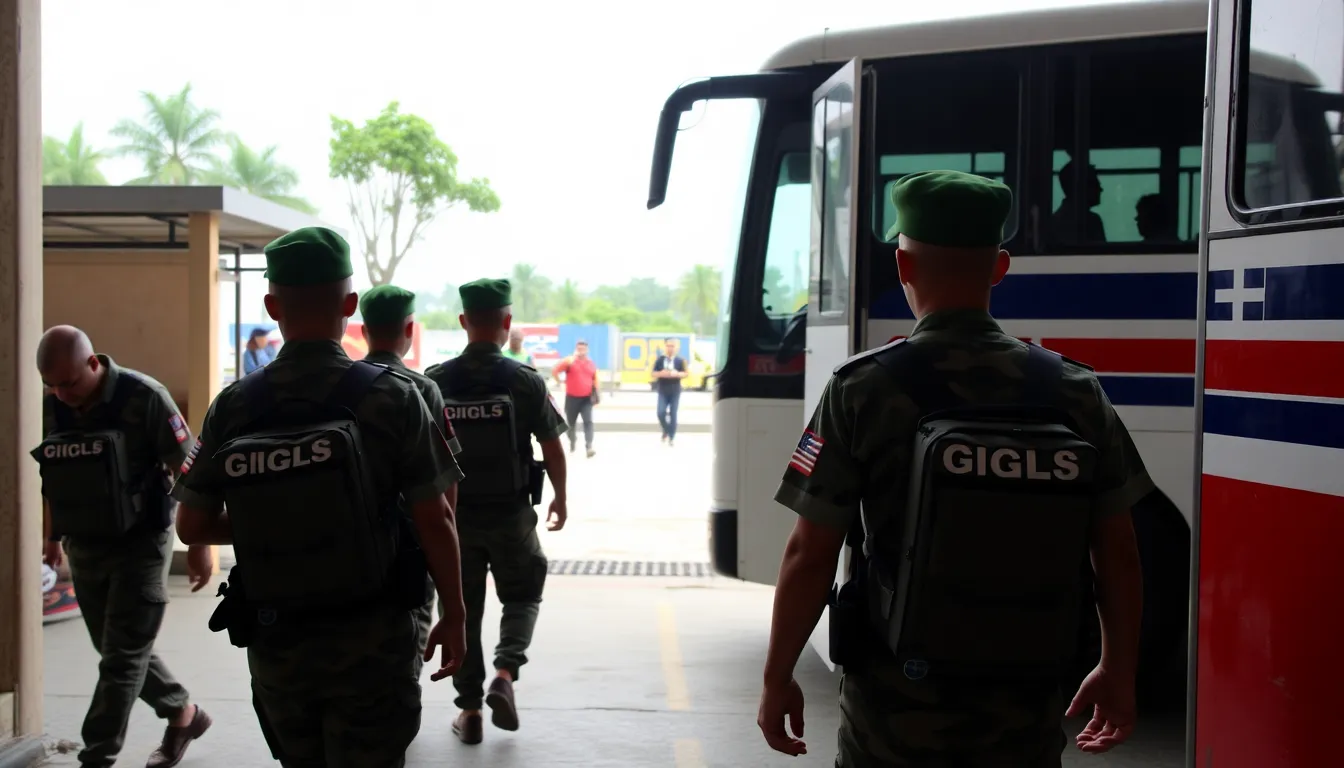
Frequently asked questions about the release of soldiers
Outlook on future diplomatic relations between Thailand and Cambodia
The recent release of 18 Cambodian soldiers by Thailand marks a significant moment in the bilateral relations between the two nations. This development could pave the way for improved diplomatic dialogue and cooperation on various fronts, including security and economic partnerships. As both countries navigate their historical complexities, this gesture may indicate a willingness to resolve tensions and foster a more collaborative regional environment.
Moving forward, it will be essential to monitor how this event influences not only Thailand-Cambodia relations but also their interactions with neighboring countries. The potential for joint initiatives in trade and tourism could be explored, as both nations seek to enhance their economic ties in a post-pandemic context.
- Watch for potential diplomatic engagements that may arise from this release, possibly leading to further discussions on border security and military cooperation.
- Observe the impact on regional alliances, particularly how this development may influence ASEAN’s approach to collective security and economic initiatives.
- Consider the implications for tourism and trade between Thailand and Cambodia, as improved relations could lead to increased cross-border activities.
- Stay informed about public sentiment in both countries, as national pride and historical grievances could shape future interactions.