


Throughout the year, Tsitsipas struggled with various physical ailments, including persistent shoulder and wrist issues that limited his performance. These injuries not only affected his ranking but also his ability to compete consistently at major tournaments, including the Australian Open and Wimbledon.
Tsitsipas expressed his frustration during press conferences, stating that the injuries have taken a toll on his mental and physical well-being. He noted that the thought of stepping away from the sport crossed his mind as he grappled with the reality of his situation, similar to what many athletes face when dealing with pressure and expectations.
As the tennis community watches closely, Tsitsipas’s situation highlights the broader issue of athlete health and the impact of injuries on careers. His struggles resonate with many athletes who face similar challenges, sparking discussions about the importance of injury management and recovery in professional sports.
Looking ahead, Tsitsipas remains hopeful for a return to form, emphasizing his love for the game and desire to compete at the highest level. However, the uncertainty surrounding his health continues to loom, making the upcoming season critical for his career trajectory.
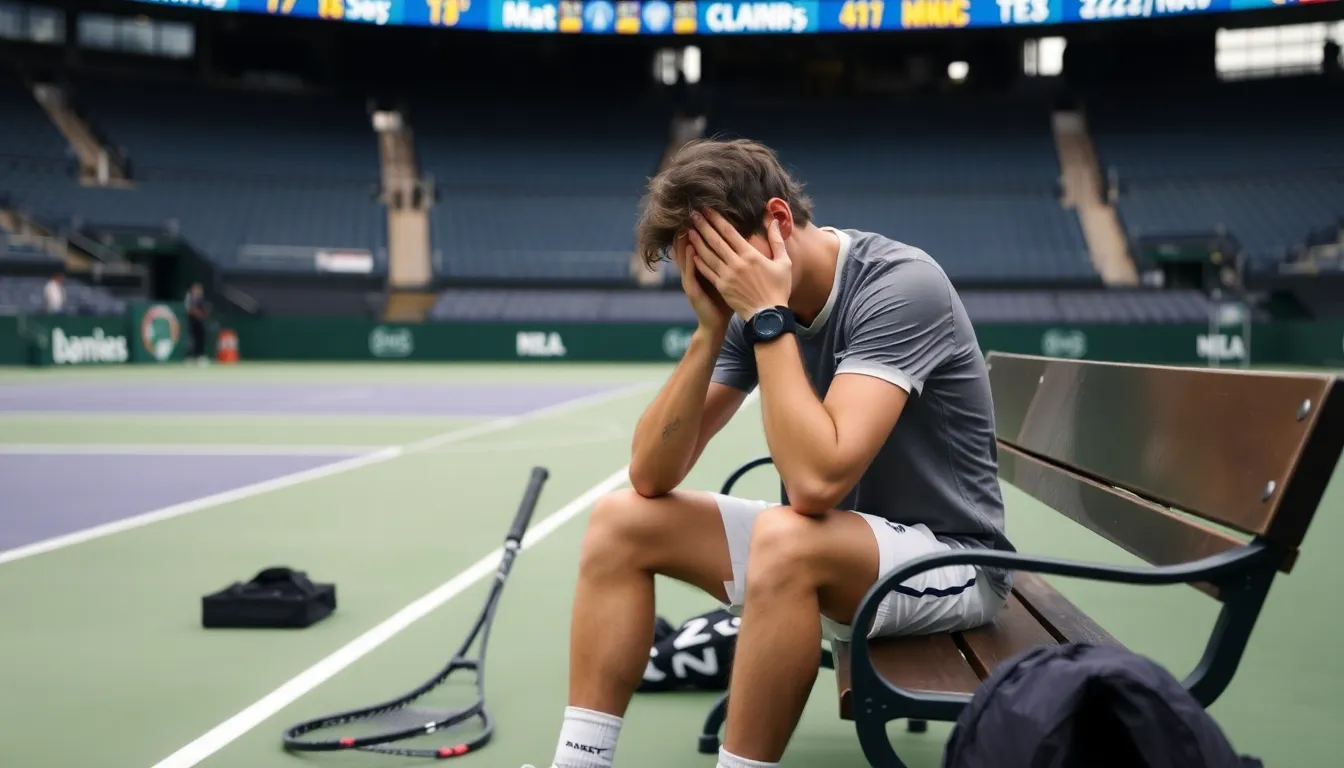
Understanding Tsitsipas’s injury history and its impact
Stefanos Tsitsipas, a prominent figure in professional tennis, has faced a series of injuries that have significantly affected his career trajectory. His journey through the sport has been marked by both remarkable achievements and challenging setbacks, particularly in the context of injuries that have plagued him since his early twenties. These physical challenges have not only impacted his performance on the court but have also led him to contemplate retirement in the face of persistent health issues.
Historically, tennis has seen many athletes struggle with injuries, yet Tsitsipas’s case is particularly noteworthy due to the frequency and severity of his ailments. From shoulder problems to wrist injuries, each setback has forced him to reevaluate his training regimen and competition schedule, a topic that resonates across various sports.
The toll of competitive pressure
The pressures of maintaining peak performance in a sport as demanding as tennis can take a significant toll on an athlete’s body and mind. Tsitsipas, known for his aggressive playing style and extensive match play, has often pushed his limits, leading to injuries that have sidelined him during crucial tournaments, reminding us of the intense physicality in professional sports.
As Tsitsipas navigated through the challenges of 2025, the conversations surrounding athlete health and longevity gained momentum. The tennis community has increasingly recognized the need for better support systems for players dealing with injuries, emphasizing the importance of mental health and well-being in addition to physical recovery. Tsitsipas’s situation serves as a poignant reminder of the delicate balance between ambition and health in professional sports.
Ultimately, Tsitsipas’s contemplation of retirement in 2025 highlights the broader narrative of resilience and vulnerability in the world of professional tennis. As he continues to grapple with his injury history, the implications for his future in the sport remain uncertain, prompting ongoing discussions about athlete care and the evolving landscape of competitive tennis.
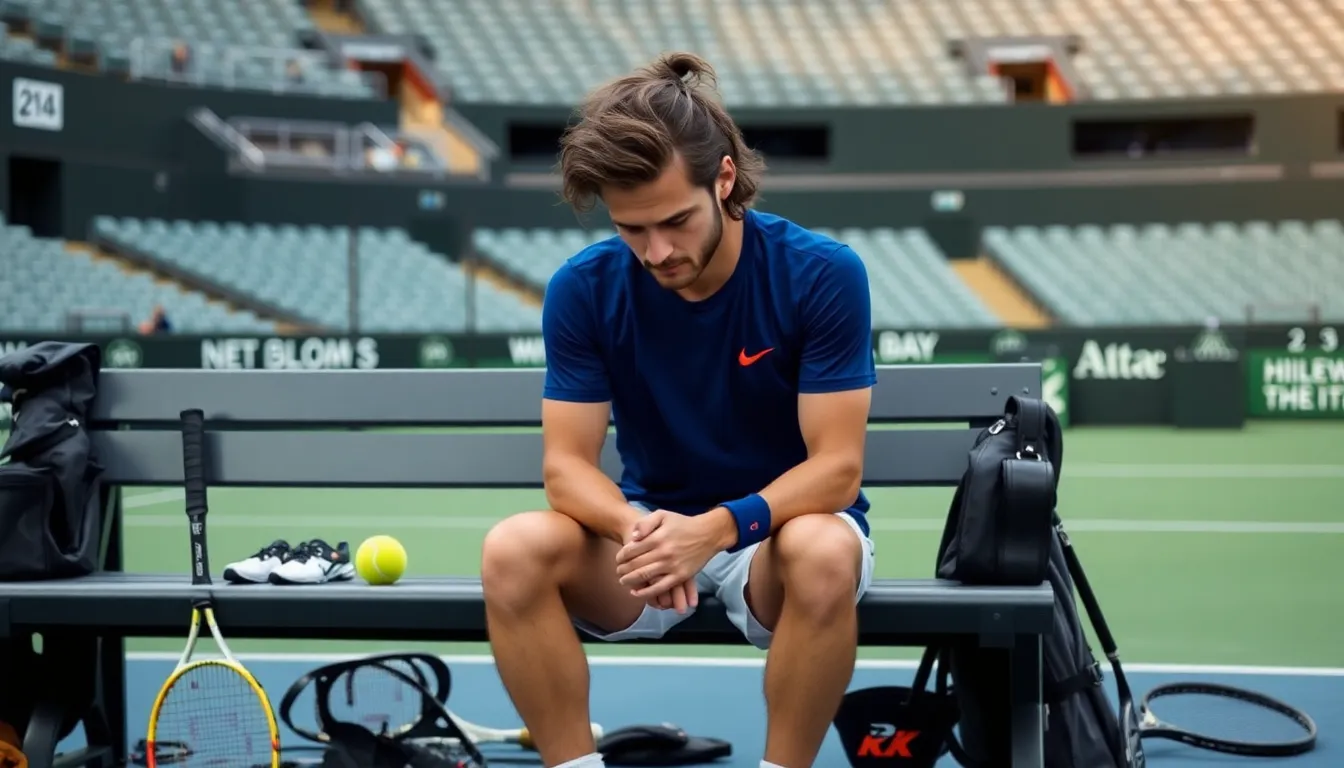
Analyzing the implications of Tsitsipas’s potential retirement
Stefanos Tsitsipas, a prominent figure in professional tennis, has recently sparked discussions about his future in the sport due to ongoing injury challenges in 2025. His potential retirement raises questions not only about his career but also about the broader implications for the tennis community and various stakeholders involved.
The main actors in this scenario include Tsitsipas himself, his management team, the ATP (Association of Tennis Professionals), sponsors, and fans. Tsitsipas’s personal interest lies in his health and well-being, as he navigates the physical demands of professional tennis. His management team seeks to protect his brand and ensure financial stability, while the ATP is concerned about maintaining the competitive landscape of the sport.
Conflicts may arise between Tsitsipas’s desire to recover fully and the pressure from sponsors and fans who expect him to perform at a high level. Additionally, the economic implications of a star player retiring could impact sponsorship deals, ticket sales, and overall interest in the sport. The ATP may also face challenges in promoting younger players who could fill the void left by Tsitsipas.
- Potential loss of a major draw for tournaments, affecting attendance and revenue.
- Impact on sponsorship deals, as brands may reconsider their investments in a sport without its star players.
- Opportunities for emerging players to rise in rankings and gain visibility.
- The psychological impact on fans who have followed Tsitsipas’s journey and may struggle with his departure.
- Legal considerations regarding retirement policies and player contracts within the ATP framework.
As Tsitsipas weighs his options, the interplay of these interests and conflicts will shape not only his future but also the landscape of professional tennis moving forward. The decisions made in this critical period could set precedents for how the sport addresses player health and career longevity in the face of increasing physical demands.
The impact of Tsitsipas’s situation on the tennis community
Stefanos Tsitsipas’s consideration of retirement due to injuries in 2025 resonates deeply within the tennis community, affecting various stakeholders. Players, coaches, and fans are directly impacted, as Tsitsipas is not only a prominent figure in the sport but also a symbol of resilience and talent. His potential departure raises concerns about the future of tennis, particularly for younger players who look up to him as a role model.
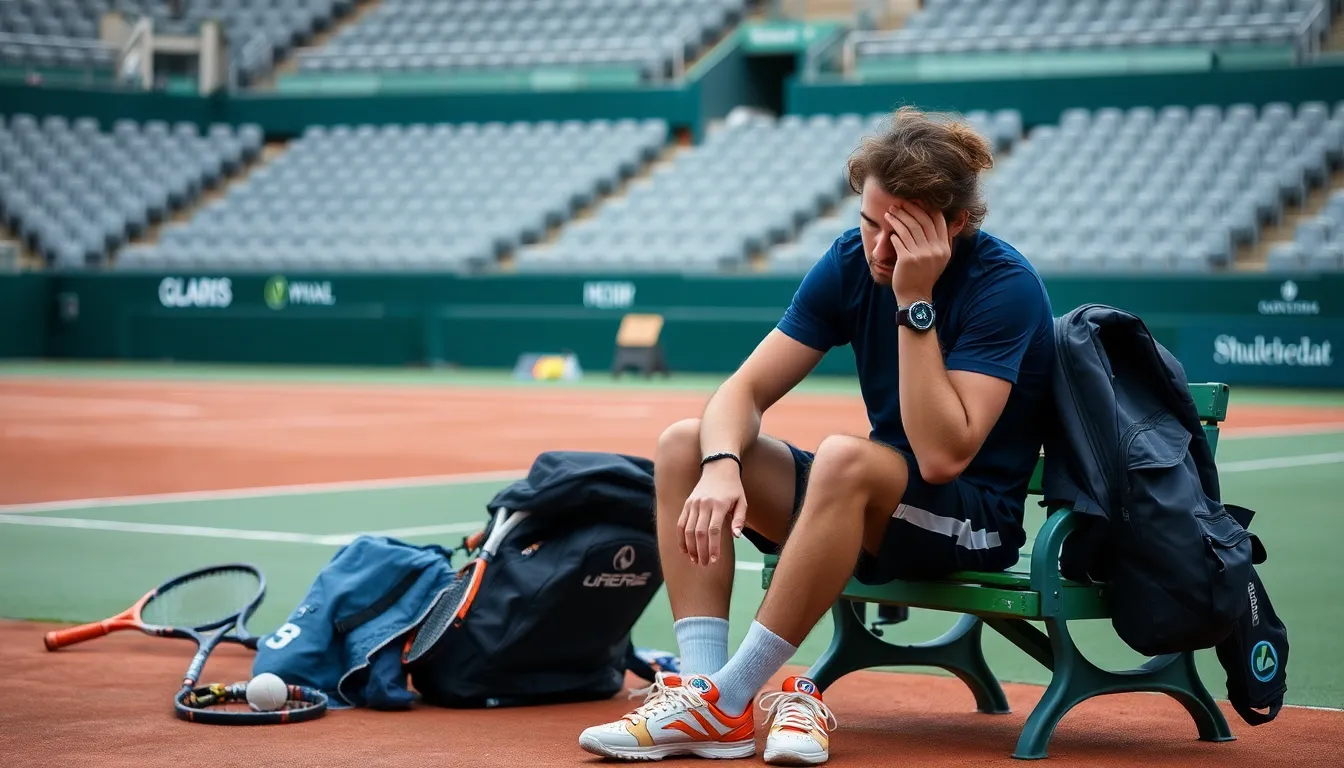
Industries surrounding tennis, including sports marketing, merchandise, and broadcasting, may experience fluctuations in revenue. Tsitsipas’s popularity has drawn significant viewership and sponsorship deals, and his absence could lead to a decrease in engagement and financial support for tournaments. This could have a ripple effect on local economies that benefit from hosting major events.
In the short term, fans may experience a sense of loss and uncertainty regarding the sport’s direction, while businesses that rely on tennis events might see a dip in sales and attendance. Mid-term implications could include shifts in sponsorship strategies as brands reassess their associations with players and events. However, this situation also presents opportunities for emerging players to step into the spotlight, potentially revitalizing the sport with fresh talent.
- Risks: Decreased viewership and sponsorship revenue.
- Risks: Loss of fan engagement and loyalty.
- Opportunities: Emergence of new talent in the sport.
- Opportunities: Increased focus on player health and wellness initiatives.
Ultimately, Tsitsipas’s situation could prompt a broader conversation about athlete health and longevity, influencing policy changes in how the sport manages injuries and supports its players. The tennis community may need to adapt quickly to these changes, ensuring that both current and future athletes have the resources they need to thrive.
A: Tsitsipas considered retirement due to ongoing injuries that severely affected his performance and ability to compete at a high level. A: He has faced multiple injuries, including issues with his shoulder and wrist, which have hampered his training and match play. A: Tsitsipas’s injuries have led to a decline in his ranking as he struggled to participate consistently in tournaments. A: Fans have expressed concern for his health, while analysts debate the impact of his potential retirement on the sport. A: The outlook remains uncertain; however, Tsitsipas is focused on recovery and hopes to return to competitive form.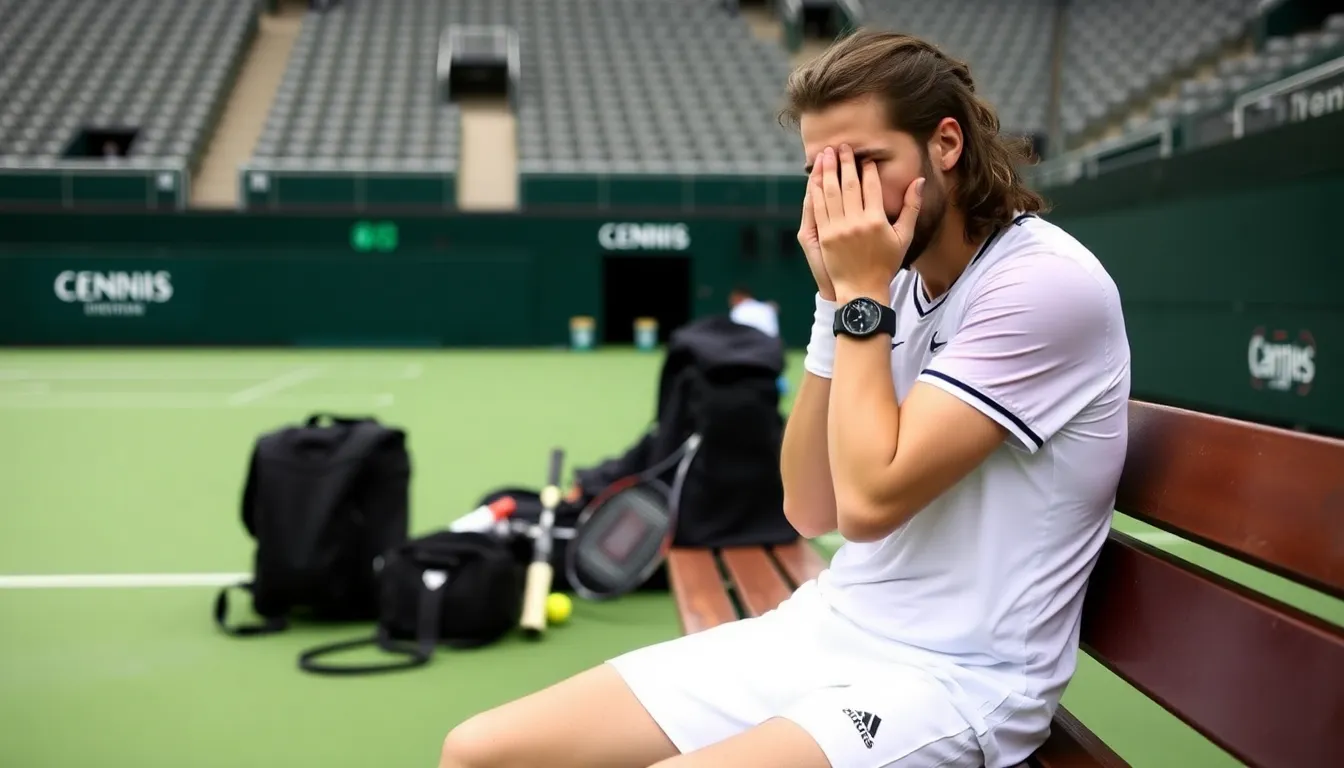
Frequently asked questions about Tsitsipas’s injury concerns
Key takeaways and future outlook for Tsitsipas
Stefanos Tsitsipas faced a challenging 2025 season marked by injuries that led him to contemplate retirement. His journey highlights the physical and mental toll that professional sports can impose on athletes. As he navigates this critical period, several factors will play a significant role in shaping his future in tennis.
Moving forward, Tsitsipas’s decisions regarding recovery, training adjustments, and mental resilience will be pivotal. Observers should monitor how he balances his competitive drive with the need for self-care, as well as the impact of his choices on his performance and legacy in the sport.
- Watch for Tsitsipas’s approach to rehabilitation and how it affects his return to the court.
- Consider the potential influence of his mental health on his decision to continue competing.
- Evaluate the strategies he employs to adapt his playing style in response to physical limitations.
- Keep an eye on the support system around him, including coaching and family, and how it shapes his outlook.
- Anticipate the broader implications of his situation on younger players facing similar challenges in the sport.