


Supporters of the tribute point to Bardot’s significant impact on the film industry, particularly during the 1950s and 1960s, when she became a symbol of French glamour and artistic expression. They contend that her legacy extends beyond film, influencing fashion and social attitudes, and that a tribute would celebrate her role in shaping modern French identity.
The movement gained traction following a recent public statement from prominent politicians, including members of the National Rally party, who have called for a ceremony to commemorate Bardot’s achievements. They are advocating for the event to take place in 2024, coinciding with the anniversary of her breakthrough film, “And God Created Woman,” which was released in 1956. This film is a pivotal part of Bardot’s legacy, resonating with audiences and critics alike as one of the key pieces of French cinema history.
Critics of the proposal, however, raise concerns about Bardot’s controversial views on immigration and animal rights, which have sparked significant debate over her public persona. This has led to a divided opinion among the French populace regarding whether a national tribute is appropriate, highlighting the complexities of honoring cultural figures with contentious legacies.
As discussions continue, the push for a tribute to Bardot reflects broader societal debates in France about cultural memory and the values that should be celebrated. The outcome of this initiative may set a precedent for how the country recognizes its artistic icons, particularly those with polarized views.
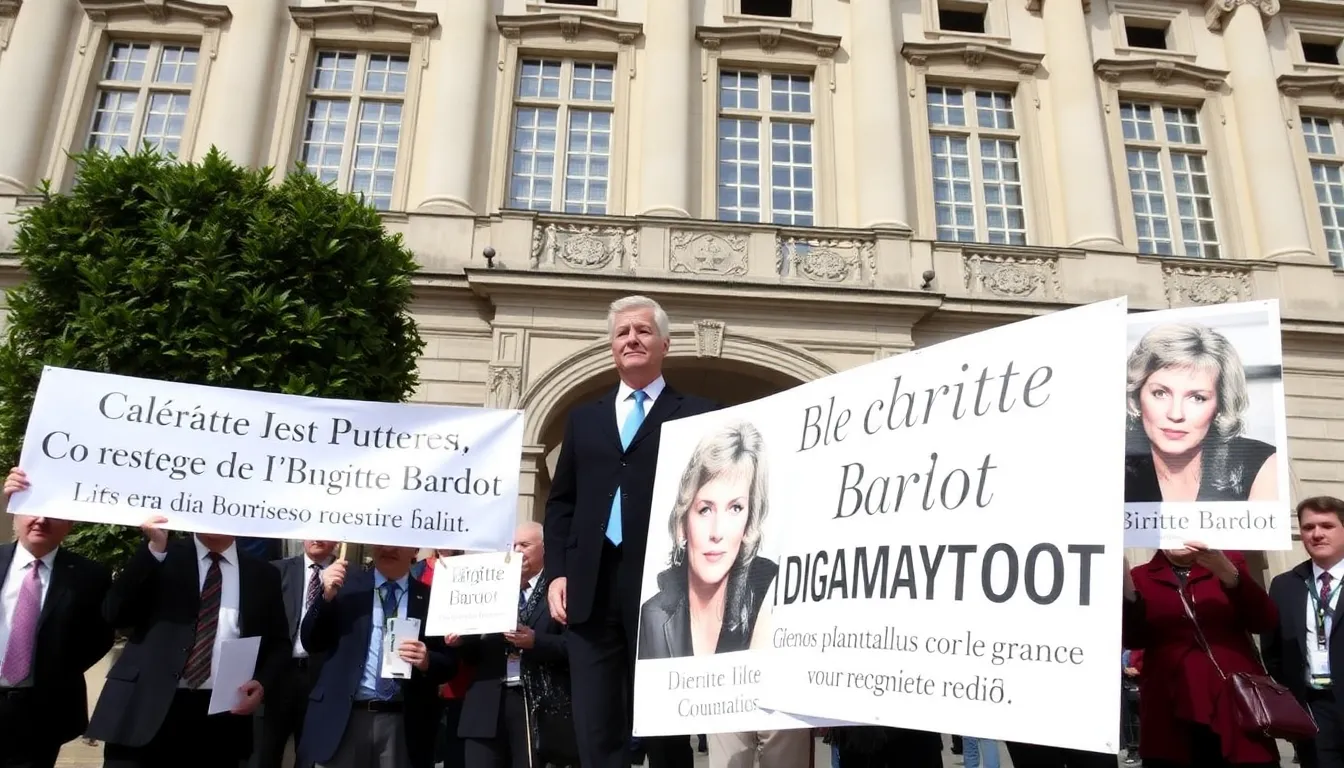
Understanding Brigitte Bardot’s impact on French culture
Brigitte Bardot, an iconic figure in French cinema and culture, rose to fame in the 1950s and 1960s, becoming a symbol of the sexual revolution and an emblem of French femininity. Her performances in films such as “And God Created Woman” captivated audiences and established her as a cultural phenomenon. Bardot’s influence extended beyond the silver screen, as she became a fashion icon and a voice for animal rights, shaping societal attitudes in France and beyond.
The push for a national tribute to Bardot by the French right is rooted in a broader context of nostalgia for traditional French values and the celebration of national heritage. As France grapples with issues of identity and cultural preservation in an increasingly globalized world, figures like Bardot represent a connection to a more romanticized past. This sentiment has been echoed by various political factions, particularly those on the right, who seek to honor individuals they believe embody the essence of French culture.
The Political Landscape
The political landscape in France has seen a resurgence of right-wing sentiments, with parties advocating for a return to national pride and cultural heritage. Bardot’s controversial views on immigration and animal rights have made her a polarizing figure, yet her status as a cultural icon remains largely intact. The call for a national tribute reflects a desire among certain political groups to align Bardot’s legacy with their vision of a cohesive national identity.
Historically, the French government has recognized various cultural figures through national tributes, including state funerals and memorials. These honors serve not only to celebrate individual achievements but also to reinforce national unity and pride. The debate surrounding Bardot’s tribute highlights the tension between honoring cultural icons and grappling with their complex legacies, particularly in a time of heightened social and political divisions.
As discussions continue about the appropriateness and implications of such a tribute, Bardot’s legacy serves as a lens through which to examine contemporary issues in French society, including nationalism, cultural identity, and the evolving role of public figures in political discourse.
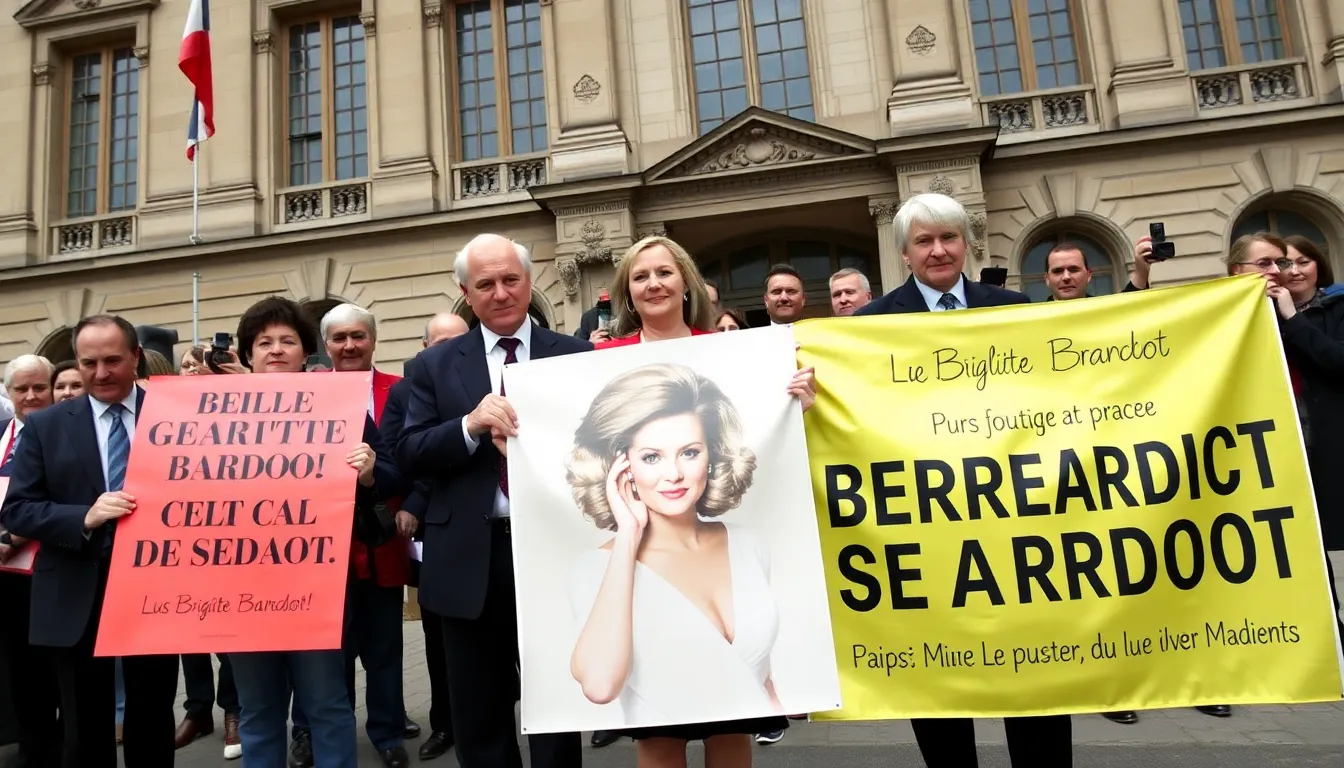
Examining the political implications of honoring Bardot
The push by right-wing factions in France to establish a national tribute to Brigitte Bardot has sparked a complex interplay of interests among various stakeholders. Bardot, a cultural icon and former actress, has become a controversial figure due to her outspoken views on immigration and animal rights. This proposed honor raises questions about the implications of celebrating a personality whose public statements have often polarized opinion.
Key actors in this scenario include the French government, particularly members of the right-wing parties advocating for the tribute, Bardot herself, and various civil society groups that either support or oppose the initiative. The French government, under pressure from right-wing constituents, seeks to bolster national pride and cultural heritage through the recognition of Bardot’s contributions to cinema. Conversely, civil rights organizations may argue that honoring Bardot could be seen as endorsing her controversial views.
Moreover, the economic implications of such a tribute cannot be overlooked. A national tribute could potentially boost tourism and cultural engagement, drawing attention to French cinema’s legacy. However, this may also lead to backlash from those who view the tribute as an endorsement of Bardot’s more contentious opinions, which could affect France’s international reputation and diplomatic relations.
- National Identity: The tribute may be perceived as a reinforcement of French cultural identity, appealing to nationalist sentiments.
- Public Opinion: Bardot’s divisive views could alienate certain demographics, leading to protests or public dissent.
- Economic Impact: Potential increases in tourism from Bardot’s legacy versus risks of economic backlash from critics.
- Legal Considerations: The tribute could raise questions about the appropriateness of honoring individuals with controversial views.
- Cultural Legacy: Discussions around Bardot’s impact on cinema versus her public persona and statements.
In summary, the proposed national tribute to Brigitte Bardot encapsulates a broader debate about cultural recognition, the complexities of national identity, and the economic ramifications of honoring a polarizing figure. As stakeholders navigate these challenges, the outcome will likely reflect the evolving values within French society.
Who stands to benefit from Bardot’s tribute?
The push for a national tribute to Brigitte Bardot resonates with various groups across France, notably the film industry, cultural institutions, and tourism sectors. Bardot, a cultural icon, represents not only a significant chapter in French cinema but also a symbol of the country’s artistic heritage. Her recognition could bolster the film industry by reigniting interest in classic French cinema and promoting local productions.
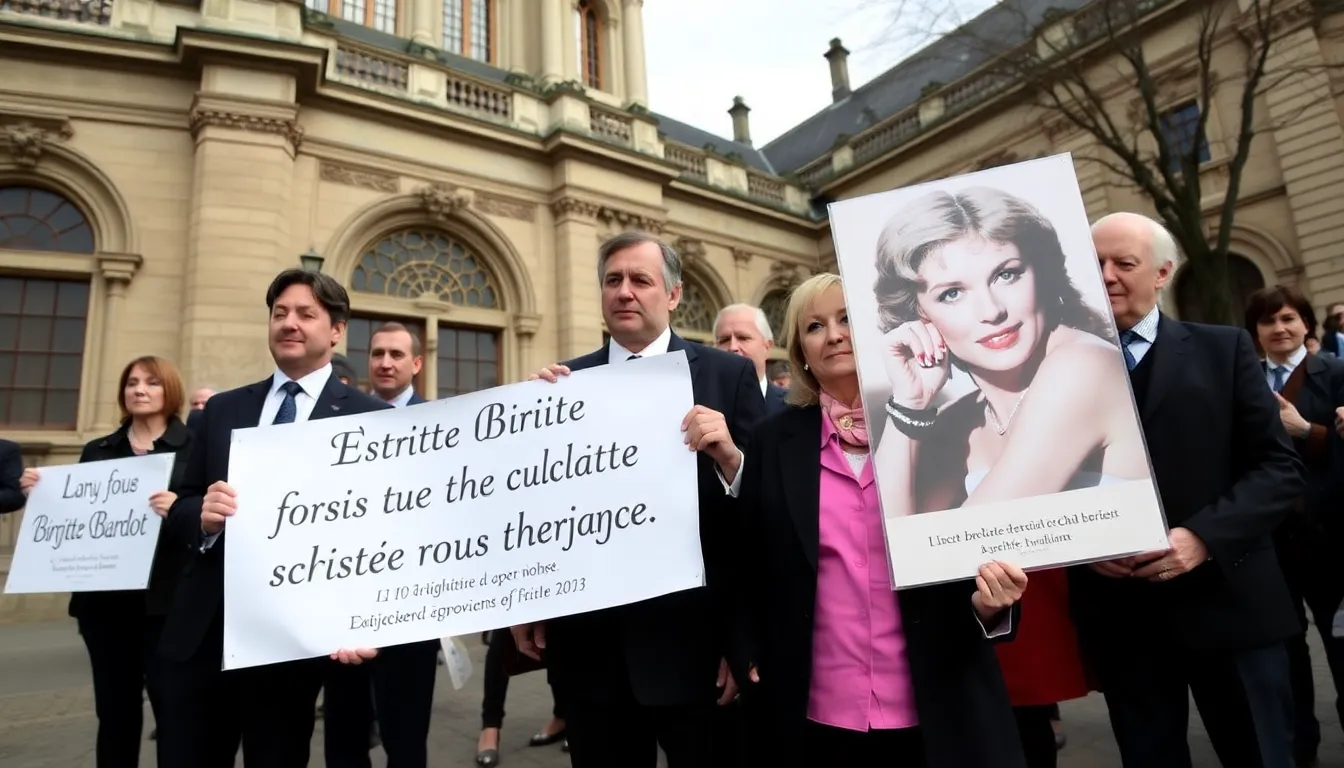
In the short term, the tribute could lead to increased media coverage and public interest in Bardot’s films, potentially driving up viewership on streaming platforms and in theaters. Local businesses in regions associated with Bardot, such as Saint-Tropez, may see a surge in tourism as fans and admirers flock to locations that celebrate her legacy. This could result in a boost for restaurants, hotels, and shops that cater to visitors.
Mid-term impacts may include a heightened focus on preserving and promoting French cultural icons, leading to potential policy discussions around funding for the arts and film preservation. The tribute could encourage the government to invest in initiatives that celebrate French cinema and its historical figures, creating new opportunities for filmmakers and cultural events.
- Tourism Growth: Increased visitors to locations tied to Bardot’s legacy.
- Media and Film Industry Boost: Renewed interest in classic French films and potential new productions.
- Cultural Policy Changes: Possible government initiatives supporting the arts and film preservation.
- Local Business Opportunities: Increased revenue for businesses in Bardot-related regions.
However, there are risks associated with this push as well. Bardot’s controversial views on certain social issues have sparked debates, which could polarize public opinion. This might lead to backlash against the tribute, potentially overshadowing its intended celebration of her artistic contributions. Balancing the celebration of her legacy with the complexities of her public persona will be crucial in navigating this initiative.
A: The push stems from Bardot’s significant influence on French cinema and culture. Supporters believe a tribute would honor her contributions and legacy. A: Bardot has faced criticism for her outspoken views on immigration and animal rights, which have sparked debates about her legacy. A: Various members of the French right, including politicians and cultural figures, are advocating for the tribute to recognize Bardot’s impact. A: Public reactions have been mixed, with some supporting the tribute while others express concern over Bardot’s controversial statements. A: The tribute could include events, exhibitions, or even a formal recognition by the French government, although specifics are still being discussed.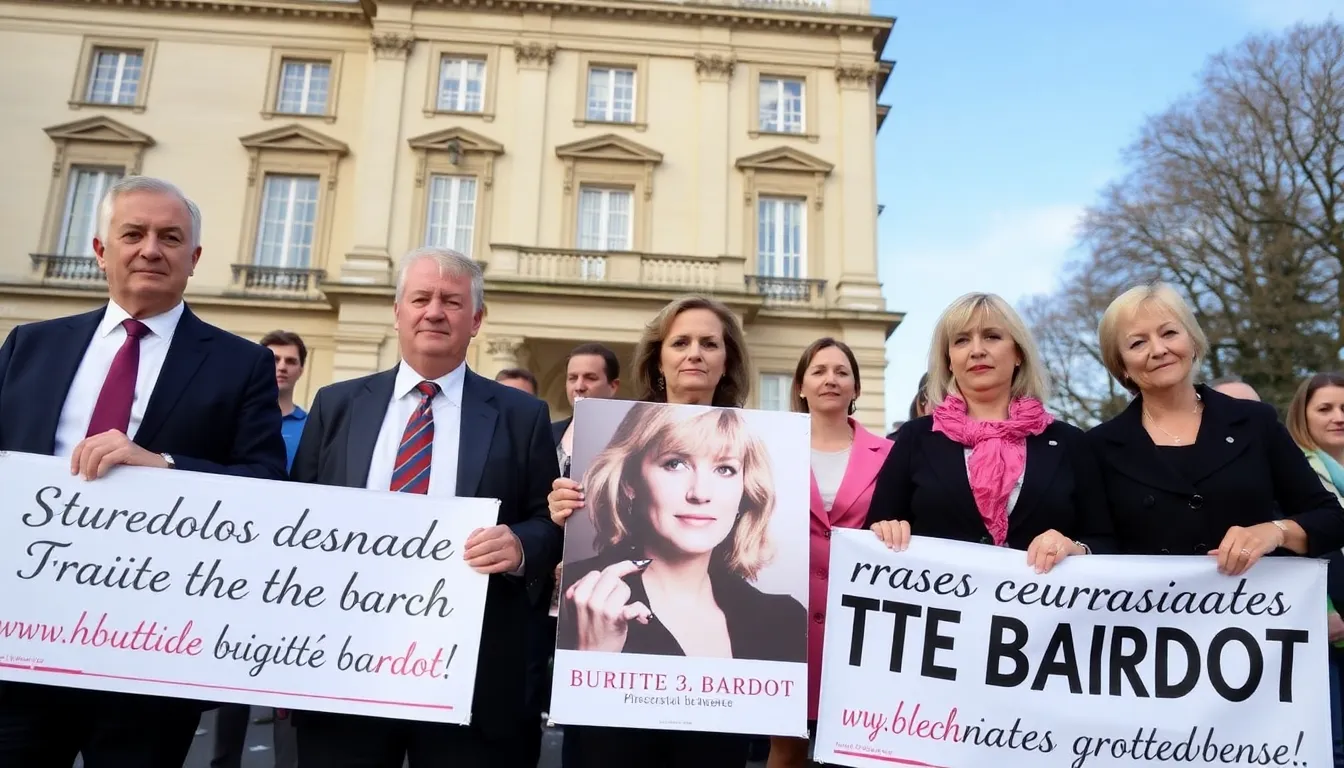
Frequently asked questions about the tribute to Brigitte Bardot
Key takeaways and future outlook on Bardot’s tribute
The push for a national tribute to Brigitte Bardot by the French right highlights the enduring cultural significance of the actress and her impact on French cinema and society. This movement reflects broader themes in contemporary France, including the intersection of celebrity, nationalism, and cultural heritage. As discussions advance, the implications of such a tribute may resonate beyond Bardot’s legacy, influencing how France commemorates its cultural icons.
Moreover, the initiative could spark debates about the values associated with Bardot’s career and personal views, potentially polarizing public opinion. Observers should monitor how this tribute unfolds and its reception among various demographics, as it may reveal deeper societal trends regarding identity and representation in France.
- The tribute may catalyze discussions about the role of cultural figures in shaping national identity.
- Public response could vary significantly across different age groups and political affiliations.
- Potential controversies surrounding Bardot’s later views may influence the narrative of the tribute.
- This initiative could set a precedent for how other cultural figures are honored in the future.
- Continued media coverage will likely affect public perception and the political landscape surrounding cultural commemorations.