


Former U.S. President Donald Trump has responded to these developments by downplaying their significance, stating that he believes the situation is under control. His comments come as the U.S. government expresses its commitment to supporting Taiwan and maintaining stability in the region. Trump’s remarks reflect a broader debate on how best to address China’s increasing military assertiveness, as illustrated in China conducts military exercises near Taiwan to deter separatist movements.
The Chinese government has justified these drills as a necessary response to perceived provocations from Taiwan and its allies. Beijing views Taiwan as a breakaway province and has not ruled out the use of force to achieve reunification. This ongoing military posturing is likely to exacerbate tensions in the Taiwan Strait and could have implications for U.S.-China relations, reflecting concerns raised in related reports.
International observers are closely monitoring the situation, as any miscalculation or escalation could lead to a significant crisis in East Asia. The United States has reaffirmed its support for Taiwan, emphasizing the importance of peace and stability in the region. As the drills continue, the global community remains vigilant regarding the potential for conflict and its far-reaching consequences.
Exploring the background of tensions around Taiwan
The tensions surrounding Taiwan have deep historical roots, tracing back to the Chinese Civil War in the mid-20th century. After the Chinese Nationalist Party (Kuomintang) lost to the Communist Party of China in 1949, the Nationalists retreated to Taiwan, establishing a separate government. Since then, Taiwan has operated as a self-governing entity, but the People’s Republic of China (PRC) views it as a breakaway province that must eventually be reunified with the mainland, by force if necessary, a complex issue that connects to China’s current military drills.
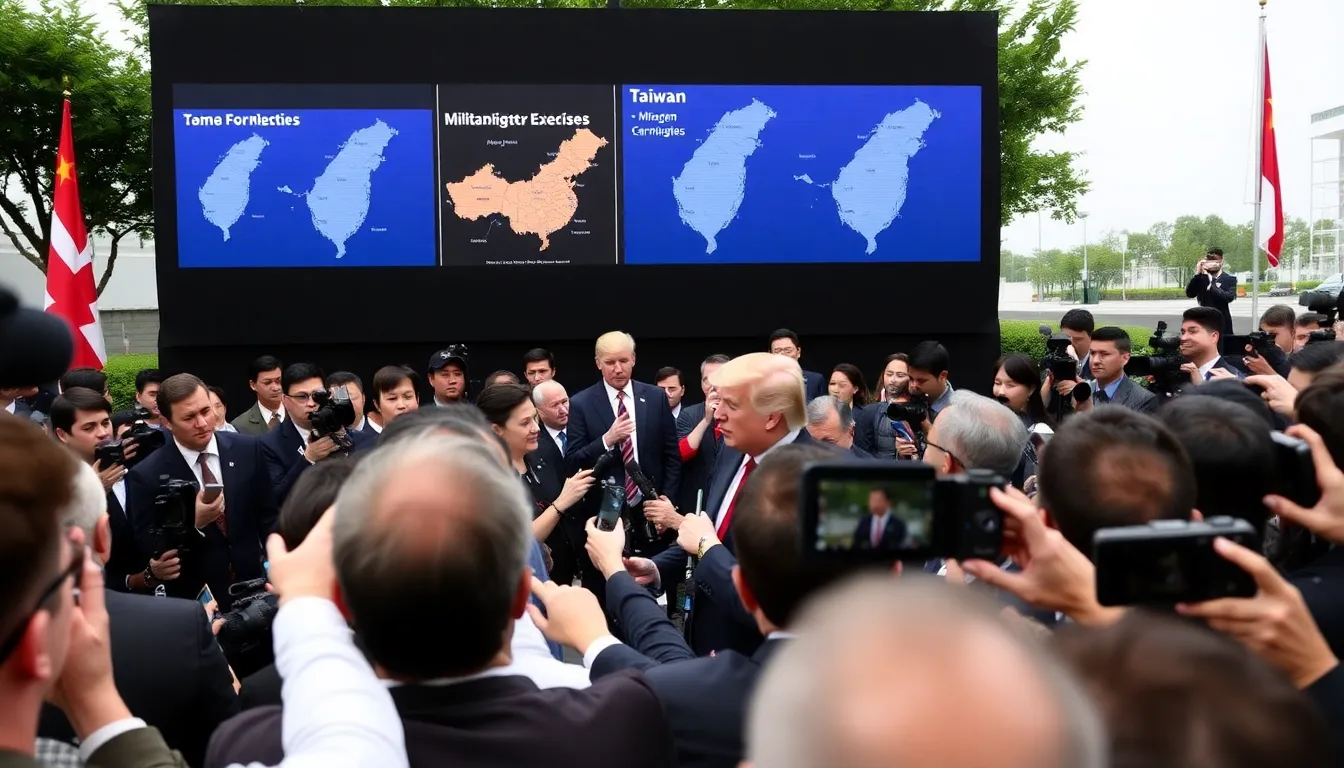
Over the decades, Taiwan has evolved into a vibrant democracy with a robust economy, often referred to as one of the “Four Asian Tigers.” However, the PRC’s insistence on its claim over Taiwan has led to a series of military drills and heightened military presence in the region, particularly in recent years. These exercises are often seen as a show of force intended to intimidate Taiwan and signal to the international community the PRC’s determination to assert its claims.
The geopolitical landscape has further complicated these tensions, especially with the increasing involvement of the United States. The U.S. has maintained a policy of strategic ambiguity regarding Taiwan, providing arms and support without formally recognizing it as an independent state. This has led to a delicate balance where U.S. military presence in the region is seen as a deterrent against PRC aggression while simultaneously provoking Beijing’s ire.
Key Milestones in Taiwan’s Political Status
Several key events have shaped the current situation. In 1979, the U.S. shifted its diplomatic recognition from Taipei to Beijing, leading to the Taiwan Relations Act, which allows the U.S. to provide defensive support to Taiwan. More recently, Taiwan’s 2016 presidential election, which saw the pro-independence Democratic Progressive Party come to power, further strained cross-strait relations. The PRC responded with increased military drills, asserting its claim over Taiwan more aggressively and reaffirming its stance against any moves toward formal independence.
Analyzing the key stakeholders in the Taiwan-China dynamic
The ongoing military drills conducted by China around Taiwan have drawn significant attention from various stakeholders, each with distinct interests and concerns. The primary actors in this situation include the Chinese government, the Taiwanese administration, the United States, and regional allies such as Japan and Australia. Understanding their perspectives is crucial for grasping the complexities of the Taiwan-China relationship.
The Chinese government, led by President Xi Jinping, views Taiwan as a breakaway province and is committed to achieving reunification. This stance is rooted in national sovereignty and territorial integrity, which are central to the Communist Party’s legitimacy. The military drills are intended to demonstrate China’s military capabilities and resolve, sending a clear message to both Taiwan and the international community.
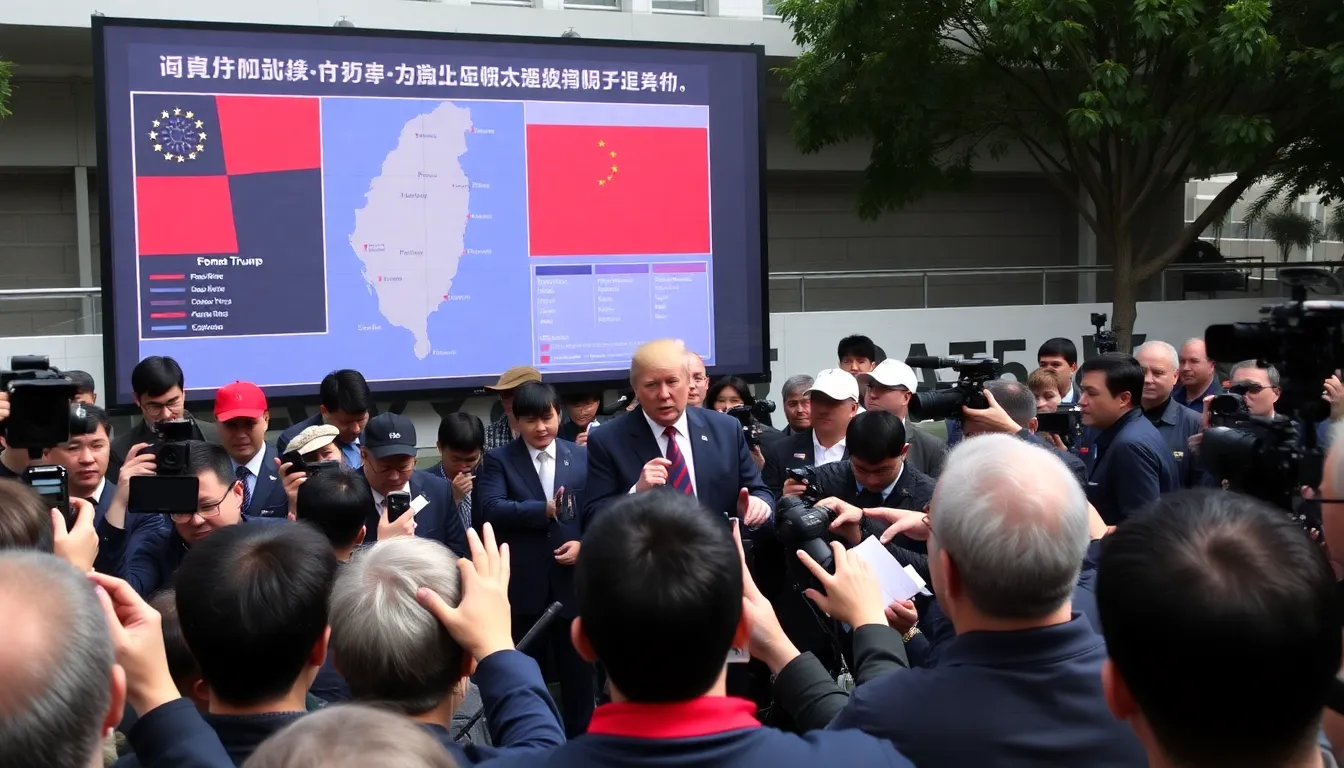
On the other hand, Taiwan, under President Tsai Ing-wen, seeks to maintain its current status as a self-governing entity. The Taiwanese government aims to bolster its defense capabilities and strengthen international ties, particularly with the United States. Taiwan’s interests revolve around preserving its democratic values and ensuring its security amidst increasing pressure from Beijing.
The United States plays a critical role as Taiwan’s primary ally, providing military support and advocating for Taiwan’s participation in international organizations. The U.S. government, under President Biden, emphasizes a policy of strategic ambiguity, aiming to deter Chinese aggression while avoiding direct confrontation. This approach reflects a delicate balance between supporting Taiwan and managing relations with China.
- The potential for military escalation in the Taiwan Strait.
- Economic implications of trade disruptions between China, Taiwan, and the U.S.
- The impact of regional alliances on security dynamics in East Asia.
- Legal considerations regarding Taiwan’s status and international recognition.
- The influence of public opinion in Taiwan and the U.S. on foreign policy decisions.
Assessing the impact on regional security and international relations
The recent military drills conducted by China around Taiwan have raised concerns among various groups, particularly those involved in international relations, regional security, and trade. The primary stakeholders affected include governments, military organizations, businesses engaged in trade with Taiwan, and the local population in Taiwan and nearby regions.
In the short term, daily life in Taiwan may be disrupted due to heightened military presence and potential travel restrictions. Businesses, particularly those in the technology and manufacturing sectors, could experience delays in shipping and supply chain operations. The tourism industry may also suffer as travelers become wary of potential conflicts.
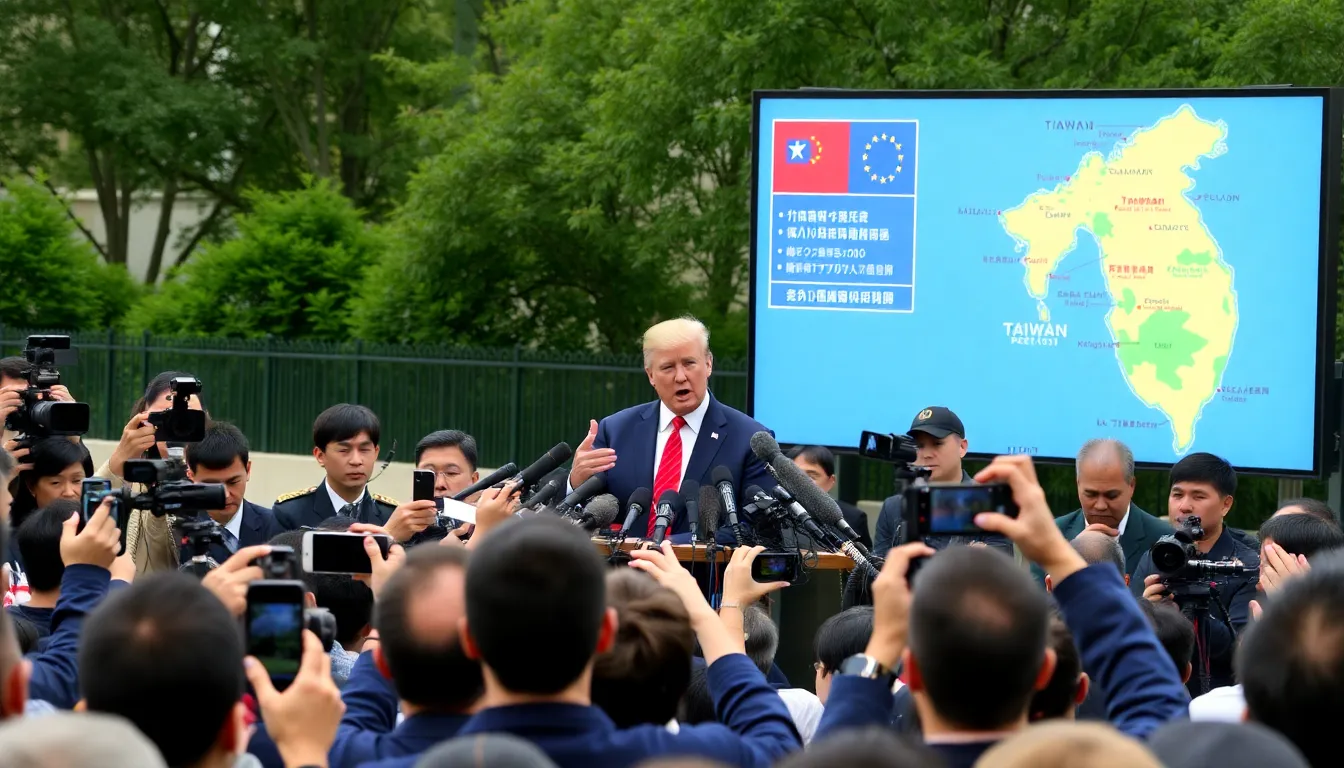
Mid-term impacts may include shifts in foreign policy as nations reassess their stance on Taiwan and the broader Indo-Pacific region. Countries that rely on trade with China might face pressure to navigate their relationships carefully, potentially leading to a reevaluation of trade agreements. Additionally, increased military activity could prompt neighboring countries to bolster their own defense capabilities.
- Potential risks include increased regional tensions and the possibility of miscalculations leading to conflict.
- Opportunities may arise for defense contractors and cybersecurity firms as nations invest more in security measures.
- Businesses may seek to diversify supply chains away from China to mitigate risks associated with military tensions.
Overall, while the immediate focus remains on the military drills, the broader implications for international relations and regional stability could reshape the economic landscape and influence policy decisions in the coming months.
A: The recent drills involve extensive military exercises conducted by China near Taiwan, aimed at showcasing military strength and readiness. A: Trump has downplayed the significance of the drills, suggesting that they should not be a cause for alarm and emphasizing a calm approach. A: The implications could range from increased tensions in the region to possible shifts in international diplomatic relations, particularly involving the U.S. and its allies. A: Taiwan is viewed by China as a breakaway province, while the U.S. supports Taiwan’s autonomy, leading to ongoing geopolitical tensions. A: Future relations may continue to be strained, with potential for both diplomatic negotiations and military posturing as parties seek to assert their positions.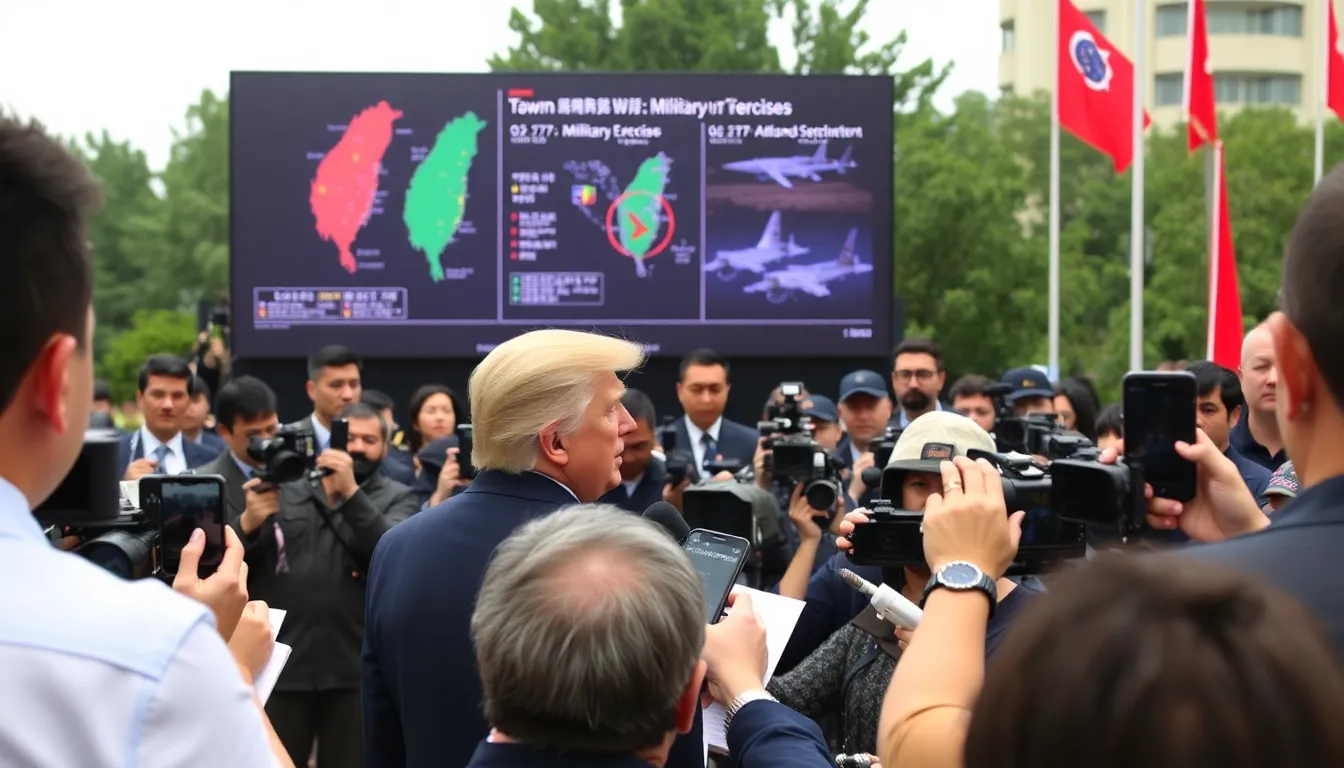
Frequently asked questions about the situation
Key takeaways and future outlook on Taiwan tensions
The recent military drills conducted by China around Taiwan have raised concerns regarding regional stability. However, former President Trump’s comments suggest a more measured approach to these developments. His assertion of “no worries” reflects a belief that the situation may not escalate into a direct conflict, indicating a potential for diplomatic avenues to be explored.
As tensions continue to evolve, it is essential to monitor the geopolitical landscape closely. The interplay between military posturing and diplomatic negotiations will be crucial in shaping the future of Taiwan and its relations with both China and the United States.
- Watch for potential shifts in U.S. policy towards Taiwan, especially with upcoming elections influencing foreign relations.
- Observe China’s response to international reactions regarding its military exercises, which may indicate its strategic calculations.
- Consider the impact of Taiwan’s domestic policies and public sentiment on its approach to cross-strait relations.
- Stay informed about the role of regional allies in supporting Taiwan, as their involvement could alter the balance of power.
- Monitor economic implications, as increased tensions may affect trade routes and global supply chains connected to Taiwan.