


In 2023, NASA’s Artemis program aims to land astronauts on the lunar surface, with the first crewed mission, Artemis II, scheduled for 2024. Meanwhile, China has announced plans for its own lunar base, with the Chang’e program successfully landing robotic missions and collecting samples. These developments underscore a significant shift in space policy, where nations are not only racing for scientific discovery but also for strategic dominance. For more on the implications of such technologies, check out our article on exciting plans for January 2026.
The potential for conflict in space is heightened by the involvement of private companies, such as SpaceX and Blue Origin, which are also vying for contracts and partnerships in lunar exploration. As these entities push boundaries, concerns arise about the commercialization of space and the implications for international law and cooperation. The question remains whether humanity can avoid repeating historical political tensions as it extends its reach beyond Earth.
Furthermore, the prospect of establishing military capabilities in space adds another layer of complexity. Both the United States and China have expressed intentions to develop technologies that could support military operations in space, raising alarms about an arms race beyond our planet. As nations prepare for a future where lunar resources may be contested, the need for a cooperative framework becomes increasingly urgent.
Exploring the historical context of space exploration
The space race, which began in the mid-20th century, was primarily a competition between the United States and the Soviet Union. It was fueled by the Cold War tensions and a desire for technological supremacy. The launch of Sputnik by the Soviet Union in 1957 marked the beginning of this era, prompting the U.S. to accelerate its own space program. This period saw significant milestones, including the first human in space, Yuri Gagarin, and the Apollo 11 mission that landed humans on the Moon in 1969.

As space exploration expanded, it became not only a matter of scientific achievement but also a symbol of national prestige. The geopolitical implications of space endeavors were profound, as countries sought to demonstrate their technological capabilities and assert their influence on the global stage. The establishment of NASA in the U.S. and the Soviet space program exemplified how space exploration was intertwined with national identity and security. This historical context is essential when examining the current landscape of global competition.
The commercialization of space
In recent decades, the landscape of space exploration has shifted significantly with the rise of private companies. The commercialization of space has introduced new players into the arena, such as SpaceX and Blue Origin, which aim to reduce costs and increase accessibility to space. This shift raises concerns about the potential for the same political and economic dynamics that have shaped terrestrial conflicts to extend into space, as nations and private entities vie for resources and influence beyond Earth.
As countries like China and India ramp up their space programs, the potential for conflict over lunar resources and strategic positions increases. The Moon, once a symbol of human achievement, now stands at the center of a new geopolitical struggle, reflecting historical patterns of competition and conflict that have characterized human interactions throughout history.
This evolving context of space exploration highlights the need for international cooperation and governance to prevent the exportation of terrestrial politics into the cosmos. As humanity stands on the brink of a new era in space, the lessons learned from the past must inform our approach to ensure that exploration is driven by collaboration rather than rivalry.
Analyzing the stakeholders and key issues in lunar politics
The new space race, particularly with regards to lunar exploration, involves a variety of stakeholders, each with their own interests and agendas. Key actors include national governments, private space companies, international organizations, and scientific communities. The United States, China, and Russia are at the forefront of this competition, each aiming to establish a significant presence on the Moon for strategic, economic, and scientific reasons.
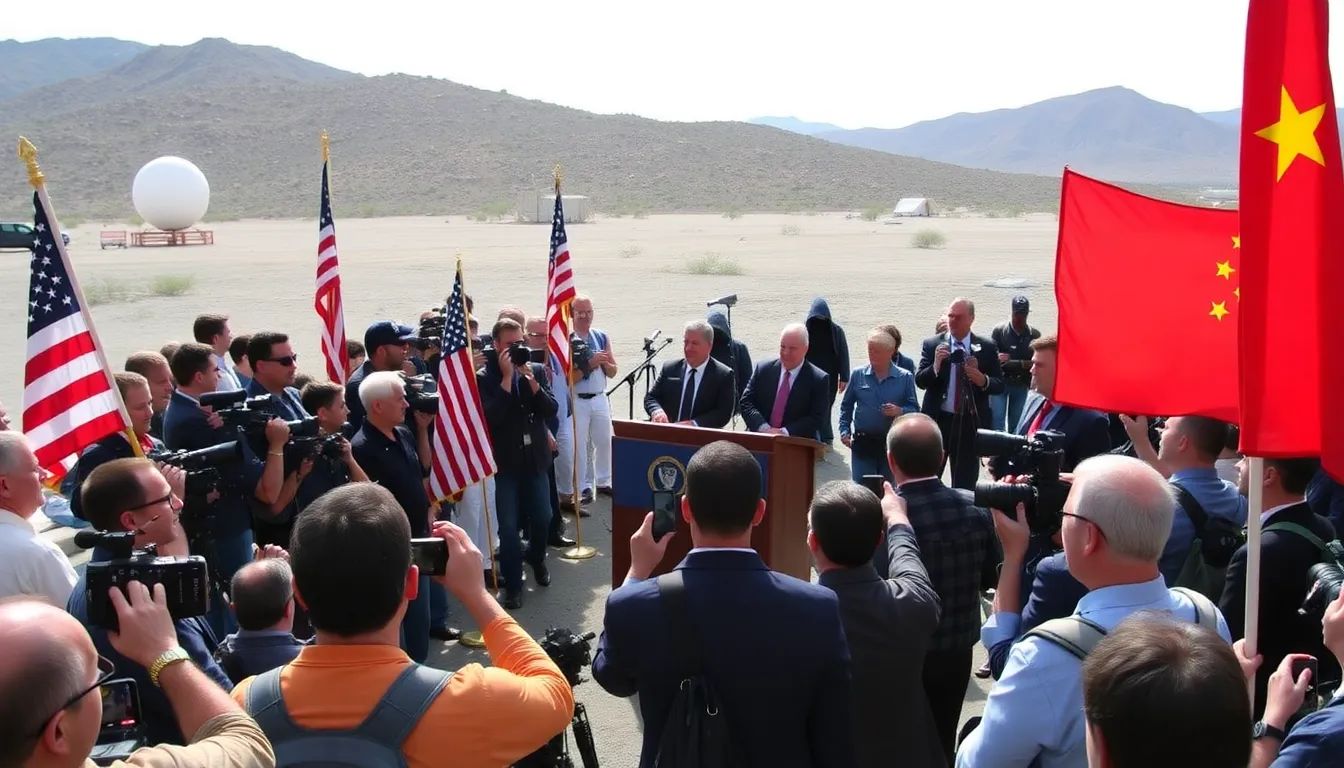
National governments are primarily motivated by the desire to assert their dominance in space exploration and to secure potential resources found on the Moon, such as water ice and rare minerals. For instance, the Artemis program led by NASA aims to return humans to the Moon and establish a sustainable presence, reflecting the U.S. commitment to leading in space. Conversely, China’s Chang’e program is focused on technological advancement and national pride, while Russia seeks to revive its historical legacy in space exploration.
Private companies like SpaceX, Blue Origin, and others are also significant players, driven by profit potential and innovation. Their interests often align with governmental objectives but can also diverge, leading to conflicts over regulatory frameworks, resource rights, and operational priorities. The commercialization of lunar resources raises complex legal questions about ownership and utilization, which are still largely unregulated under current international space law. Furthermore, insights into similar complexities can be found in our report on student loan bankruptcy.
- Resource Competition: The race for lunar resources could exacerbate geopolitical tensions, as nations vie for control over valuable materials.
- Legal Frameworks: The Outer Space Treaty of 1967 lacks provisions for lunar resource extraction, leading to potential conflicts over rights and ownership.
- Technological and Economic Disparities: The gap between nations with advanced space capabilities and those without may widen, creating new forms of inequality.
- Environmental Concerns: The impact of lunar exploration on the Moon’s environment raises ethical questions about human activities in space.
- International Collaboration vs. Competition: Balancing cooperation among nations while managing competitive interests remains a critical challenge.
As the lunar race intensifies, the potential for exporting terrestrial political dynamics into space becomes a pressing concern. The interplay between national interests, commercial ambitions, and international cooperation will shape the future of lunar governance and exploration.
Assessing the potential impacts on global politics and society
The new space race, as highlighted in The Guardian’s editorial, poses significant implications for various groups, industries, and regions. National governments, private aerospace companies, and international organizations are at the forefront of this competition. As countries like the United States, China, and Russia ramp up their lunar ambitions, the geopolitical landscape may shift, affecting global alliances and rivalries.
In the short term, the intense focus on lunar exploration could lead to increased funding and investment in the aerospace sector. This could benefit companies involved in satellite technology, launch services, and space research. However, it also risks exacerbating existing tensions between nations, as competition for resources and strategic advantages in space may mirror historical conflicts on Earth.
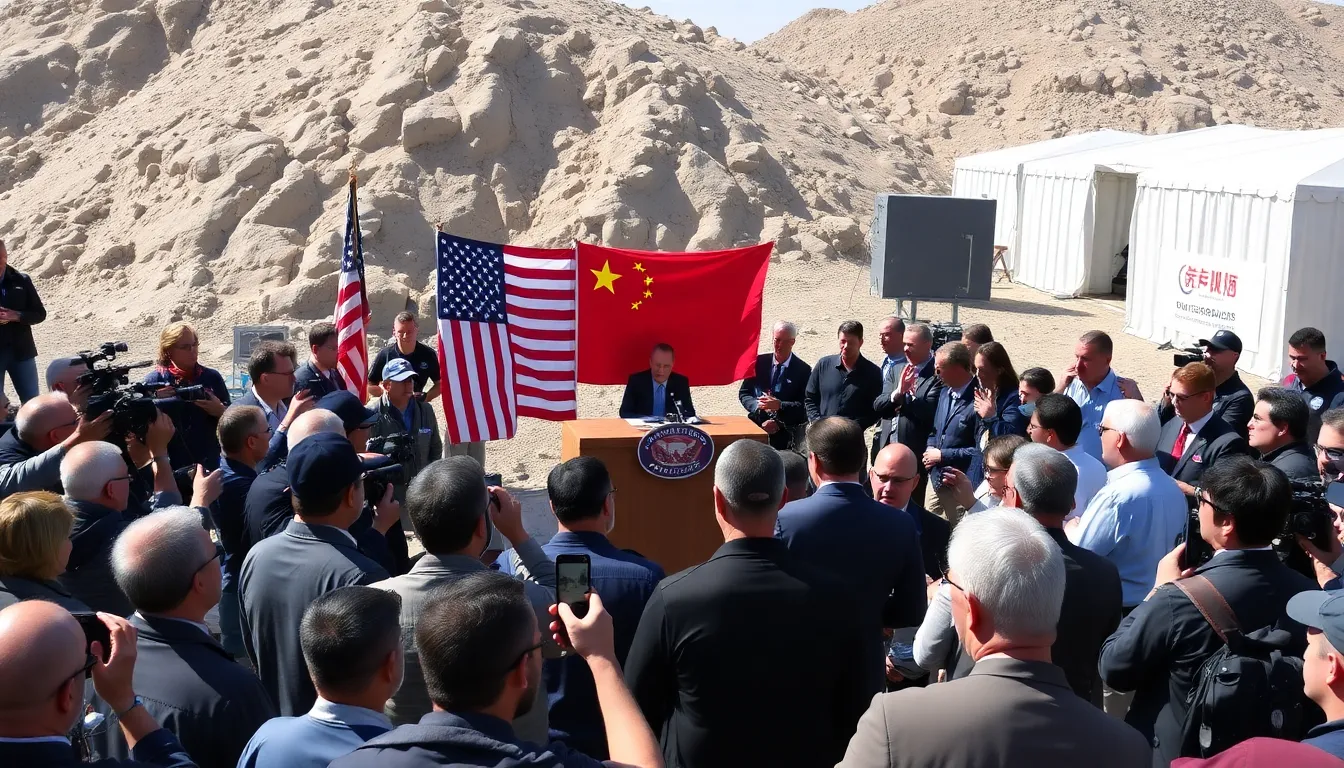
Mid-term impacts may include changes in policy as governments prioritize space exploration in their national agendas. This could lead to new regulations surrounding space traffic management, resource extraction, and environmental protections. Communities involved in the aerospace supply chain may experience job growth, but there is also the potential for job displacement in industries that fail to adapt to the changing market.
- Increased investment: Boost in funding for aerospace industries.
- Geopolitical tensions: Heightened competition could lead to conflicts.
- Policy shifts: New regulations may emerge around space activities.
- Job market fluctuations: Potential for both job creation and displacement.
- Environmental concerns: Risks of neglecting space sustainability.
While the potential for innovation and economic growth exists, there are also risks of repeating historical mistakes, such as the militarization of space and the exploitation of extraterrestrial resources without ethical considerations. Balancing these factors will be crucial as humanity embarks on this new chapter in space exploration.
A: The new space race refers to the renewed competition among nations and private companies to explore and utilize space, particularly the Moon and Mars. This race is marked by advancements in technology and increased investment in space exploration. A: There is concern that as nations establish a presence on the Moon, they may bring their existing political conflicts and rivalries with them. This could lead to tensions and conflicts in space, similar to those on Earth. A: Key players include government space agencies like NASA and ESA, as well as private companies such as SpaceX and Blue Origin. These entities are competing to establish bases and conduct missions on the Moon. A: The new space race poses challenges for international cooperation, as nations may prioritize national interests over collaborative efforts. This could hinder joint missions and shared scientific goals. A: The dynamics of the new space race could influence future space policies, leading to stricter regulations and frameworks for space exploration. Policymakers may need to address issues of governance and resource sharing.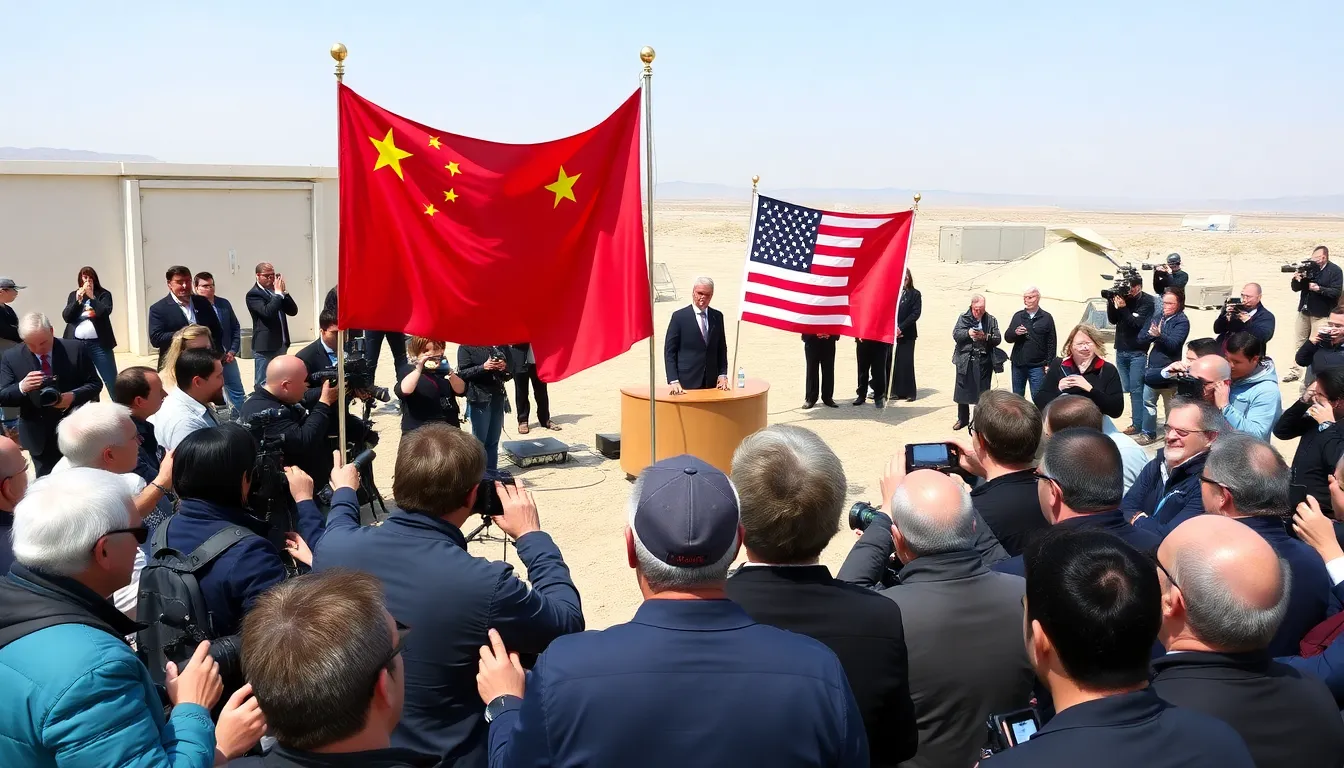
Frequently asked questions about the new space race
Key insights and future outlook on lunar exploration
The renewed interest in lunar exploration presents both opportunities and challenges for humanity. As nations and private entities race to establish a presence on the Moon, there is a pressing need to consider the implications of our actions in this new frontier. The potential for conflict over resources, the replication of terrestrial political dynamics, and the ethical responsibilities of space exploration are all critical factors that will shape the future of lunar endeavors.
Moving forward, it is essential to foster collaboration and establish governance frameworks that prioritize peaceful exploration and equitable resource sharing. The choices made now will not only impact the Moon but could also set precedents for future interplanetary exploration.
- Watch for international agreements: The development of treaties or agreements among nations regarding lunar resource utilization will be crucial in preventing conflicts.
- Monitor private sector involvement: The role of private companies in lunar exploration may lead to innovative solutions but could also exacerbate inequalities if not managed properly.
- Consider environmental impacts: As we explore the Moon, understanding and mitigating the environmental effects on its surface and potential ecosystems will be vital.
- Encourage inclusive dialogues: Engaging diverse voices in discussions about lunar exploration can help create a more equitable approach to future endeavors.